The Trust Calendar: Seven Unflashy Social Habits That Keep Your Shop in the Conversation

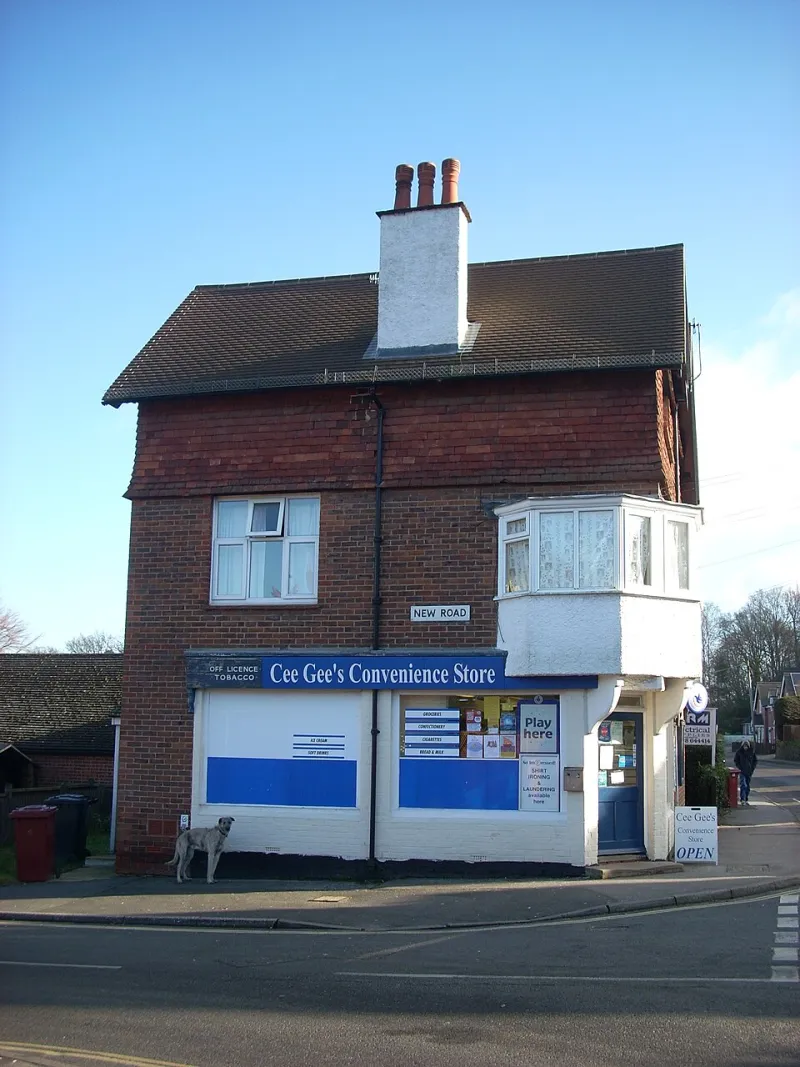
Photo: Frombowen, CC BY-SA 4.0, via Wikimedia Commons
Viral posts are lovely. They are also a terrible business plan. A single reel can bring 40,000 views and a handful of new customers who never come back. A boring, repeatable habit can bring the same person through your door every Thursday for a year. For most UK small businesses, the second one pays the rent.
This is not an argument against creativity. It is an argument for rhythm. Predictable posting does two things that one-off bursts do not: it makes you easy to remember, and it makes you easy to recommend. When someone asks 'where did you get that?' the answer needs a shop name attached to a familiar slot in their week.
Here are seven habits worth keeping. None of them require a content team. All of them can be done from the counter.
1. The Monday 'what's in, what's out' post
A bakery in Leeds can list the sandwich that has sold out and the loaf that is back. A hardware shop in Bristol can show the one size of screw that everyone needs in November. A florist can say what is looking good and what is nearly done.
This works because it is useful and dated. It also quietly proves you are open, stocked and paying attention. Keep it to a photo and three lines. Do it at the same time each week so people start to expect it.
2. The fixed reply hour
Pick a 30-minute window, three days a week, and answer every comment and DM that came in. Put it in the diary like a delivery. 'We reply between 9 and 9.30 on Tuesdays, Wednesdays and Fridays' is a promise you can keep.
The habit matters more than the speed. A quick reply builds more trust than a perfect post. It also trains your audience to ask questions in the comments instead of giving up.
3. The monthly supplier shout-out
Once a month, introduce the person or business behind something you sell. The coffee roaster, the egg farm, the printer who does your bags. A photo of them at work, a sentence about why you chose them, a link if they have one.
This is not just nice. It gives people a reason to care about the price and the provenance. It also puts your shop in a network of local businesses that may return the favour. Keep it specific. 'Our milk comes from a farm 11 miles away' beats 'we love local.'
4. The Thursday one-question story
Ask one easy question and share the answers. 'What should we bake for Saturday?' 'Which colour should we restock?' 'What is the one thing you always forget to buy?' Use the poll or question sticker, then post a follow-up with the result.
This is the lowest-effort community builder there is. It gives people a reason to tap, and it gives you free product research. Do not ask a question you do not want the answer to.
5. The Friday 'weekend logistics' note
A short post about opening hours, the market stall, the delivery cut-off, the weather. 'We are open until 6 tonight, then back at 9 on Saturday. The market is on the square, so parking will be busy.' This is the unglamorous information people actually need.
It also reduces the 'are you open?' DMs that eat your morning. Pin it to the top of your profile for the weekend.
6. The monthly behind-the-counter clip
One clip a month, 30 to 60 seconds, showing how something is made, packed, repaired or chosen. No music trend required. A phone propped on a shelf is fine. The point is proof of work, not production value.
A repair shop in Glasgow can show a hinge being fixed. A farm shop in Norfolk can show the morning delivery. A bookshop can show a returns pile. People love the ordinary bits they never see.
7. The quarterly 'thank you' round-up
Every three months, name five customers, neighbours or local groups who made the quarter better. Ask permission first. Tag them if they are on the platform. Keep it short and warm.
This is the habit that turns a feed into a street. It says you are part of a place, not just a brand with a logo. It also gives you a bank of stories for the months when you have nothing to say.
The scorecard: how to tell if it is working
Do not judge these habits by likes. Use a simple monthly scorecard with five lines.
- Kept the habit? Yes or no. Count how many weeks you actually did it.
- Time spent? Aim for under 20 minutes per habit.
- Replies? Count comments and DMs that got a response within one working day.
- Saves and shares? A rough number is enough.
- Real-world mentions? Ask staff to note 'I saw your post' or 'I came in because of the story.'
Score each from 1 to 3. A habit that scores low on time but high on real-world mentions is worth keeping. A habit that takes an hour and gets no replies is a candidate for the bin.
The boring bit is the point
The shops that stay top-of-mind are rarely the ones with the cleverest campaign. They are the ones that turn up on the same day, answer the same questions and say thank you before anyone asks. That is not a growth hack. It is a habit. And habits compound.