The Corner-Shop Coalition: Five Free Cross-Promotion Plays for Independent UK Businesses

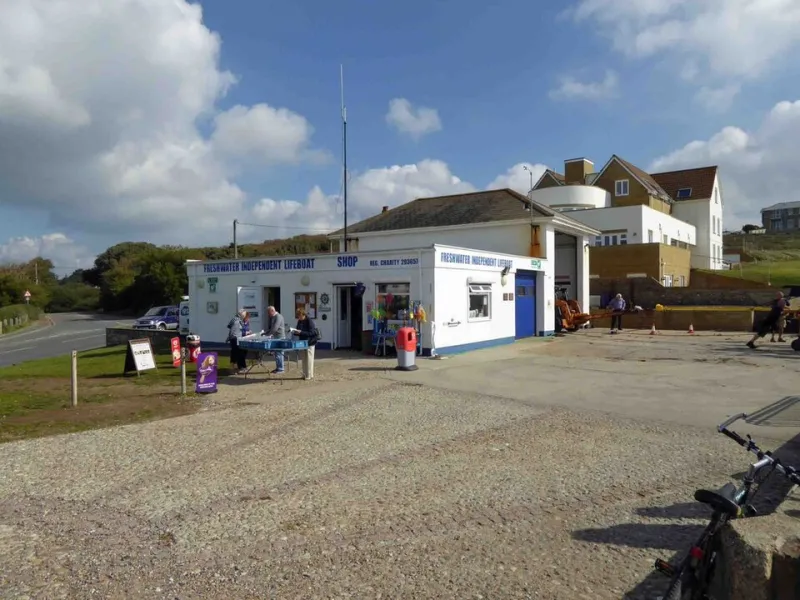
Photo: independent shop owners collaborating with smartphone on UK high street, via nfil.net
The high street is not a zero-sum game. A florist, a barber, a bookshop and a bakery can all win the same Saturday afternoon if they stop treating each other as rivals and start acting like a neighbourhood. In 2026, that instinct is worth more than ever. Platforms are leaning harder into local discovery, community notes are adding context to viral claims, and audiences are tired of polished brands shouting into the void. They want to know who is behind the counter.
That is the high street handshake: a simple, free cross-promotion pact between nearby independents. No agency, no budget, no awkward contract. Just five formats you can run with the shop next door.
Why neighbourly beats noisy in 2026
The feed is crowded. But local relevance cuts through. When a customer sees two familiar names from the same street in one post, trust transfers. It also gives the algorithm a clearer signal: these accounts are part of a real place, not a generic brand. Community notes and local groups reward that context. You do not need to go viral; you need to be remembered when someone is deciding where to spend £10.
1. The joint Reel that splits the credit
Pick one neighbour and one small story. A baker and a florist could film what £10 buys on your street. A barber and a bookshop could swap recommendations for a rainy Saturday. Keep it to 20 seconds, shoot it vertically, and agree the caption before you post. Publish as a collaborative post on Instagram so it lands on both grids, or post the same clip on TikTok with a tag to your neighbour. The rule: equal billing, no hard sell. One clip, two audiences, zero spend.
2. The street passport story highlight
Create a shared 'street passport': five local stops, one simple map graphic, and a story frame from each business. Each shop saves it to a highlight with the same name and cover. Update it monthly for markets, late-night openings or seasonal menus. It is a lightweight way to guide footfall around the corner and show customers that your high street is a destination, not a collection of separate doors.
3. Co-hosted polls that settle local debates
Polls are cheap, fast and endlessly shareable. Co-host a friendly question with a neighbour: best mince pie on the high street, most useful rainy-day shop, or where to find a last-minute gift under £15. Each business posts the poll to Stories or its local Facebook group, then shares the result. Keep it playful and include every option. This is not a rigged contest; it is a conversation that makes people feel part of the place.
4. The weekly neighbour takeover
Give a nearby business your Stories for three to five frames, once a week. They show one behind-the-scenes moment, one useful tip and one handoff back to you. A deli can take over a hardware shop; a yoga studio can take over a cafe. It costs nothing but trust, and it creates the kind of cross-audience curiosity that ads struggle to buy. Set a simple rule: no discount codes, no pressure, just personality.
5. The combined local giveaway
Team up with three to five independents and bundle small prizes into one street hamper. Entry can be a comment tagging a friend who lives locally, or a photo of a receipt. Keep the value modest, the closing date clear and the terms simple. In the UK, make sure entry is free, the prize is described accurately and the winner is drawn fairly. Then announce the winner on every account. Everyone gets reach; one customer gets a very good Saturday.
The handshake checklist
Agree dates, captions, assets and who posts what. Share audience insights only if everyone is comfortable. Never pass on customer data. Credit every collaborator by name. And keep the tone warm: you are neighbours first, marketers second.
Start with one handshake
Do not try all five this week. Pick one neighbour, one format and one fortnight. Measure saves, shares and direct messages rather than likes alone. The goal is not to beat the shop down the road. It is to make the whole road harder to ignore.