Five Miles or Bust: A 2026 Street-Level Test for Threads and Bluesky
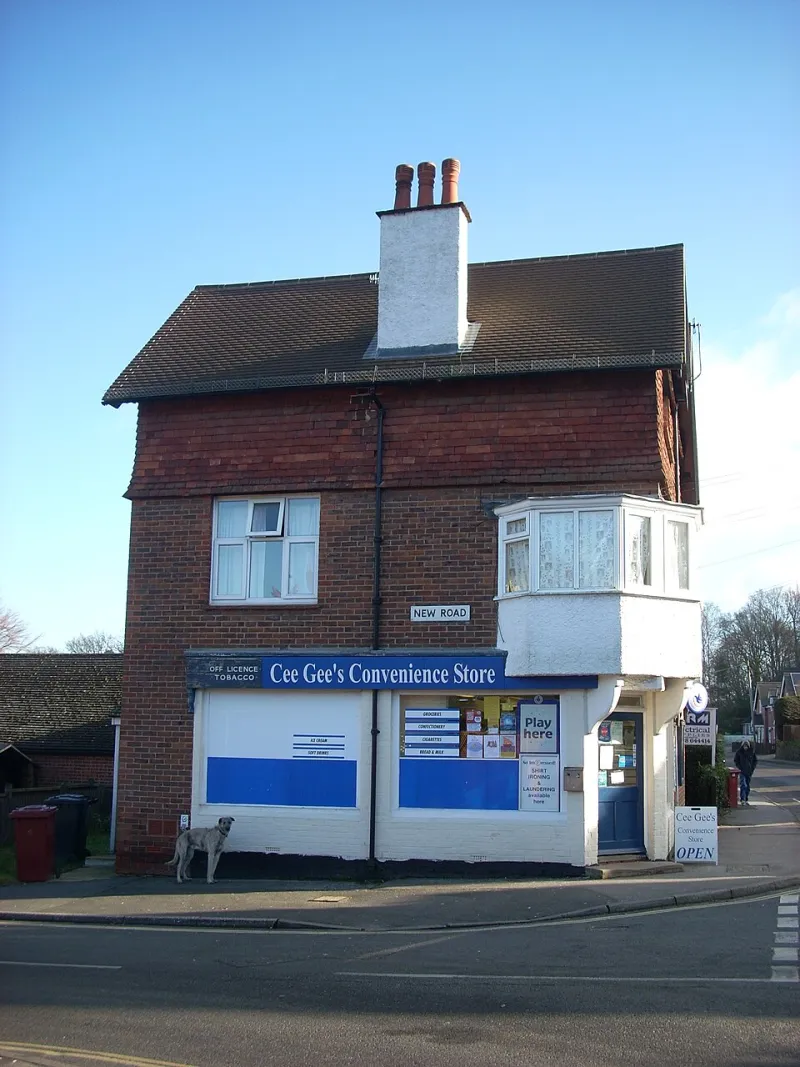
Photo: Simon Burchell, CC BY-SA 3.0, via Wikimedia Commons
Every few months a new social platform arrives with a promise: this one is different, this one is friendlier, this one will finally make posting feel less like shouting into a bin. In 2026, the two names UK small business owners keep asking about are Threads and Bluesky. Both have energetic communities. Both can feel suspiciously quiet when you are trying to reach the people who actually walk past your door.
That is the tension worth sitting with. A platform can be busy and still be useless to a bakery in Lewes or a bike repair shop in Sheffield if the conversation is happening somewhere else. So before you add another app to the Sunday night rota, borrow a test from the high street itself: can you find, follow and talk to people within five miles?
Start with the pavement, not the platform
Most platform advice starts with features. Local business advice should start with geography. Your customers are not an abstract audience; they are the people who queue for a bus outside your window, book a table for a birthday, or pop in because they saw your sign while parking badly.
That means the first question is not 'does Threads have good reach?' or 'is Bluesky growing?' It is 'can I build a local conversation here without turning it into a second job?' A platform that gives you national banter but no neighbourhood recognition is entertainment, not marketing.
The five-mile test, explained
Set a timer for twenty minutes. Create a temporary profile or use a private browsing window. Search for your town, your nearest three postcodes, and the names of a few local landmarks. Then try four things:
- Follow ten accounts that are clearly local: cafés, libraries, repair shops, community centres, local journalists, sports clubs.
- Find one conversation about your area from the last seven days.
- Reply to something in a way that adds useful information, not just a heart emoji.
- Check whether a stranger could work out where you are based from your profile in under ten seconds.
If you can do all four without detective work, the platform passes the first test. If you spend the whole twenty minutes staring at national news and motivational threads, it has failed the street-level test for now.
What Threads gives a local shop, and what it does not
Threads feels familiar if you have used Instagram. That is its advantage: fewer new habits to learn, easy cross-posting, and a tone that rewards quick, conversational posts. For a small team already posting Reels and Stories, it can be the least friction-filled addition.
It is not a location directory. You cannot assume the app will serve your post to the person two streets away. Local discovery often depends on you being explicit: name the town, tag the venue, mention the market, reply to local accounts. Think of it as a room full of people rather than a noticeboard. You have to join conversations to be seen.
Good uses: a photo of today's delivery with the street name in the caption; a quick question about a local bus route; a behind-the-scenes clip of a window display; a reply to a customer who asks about opening hours. Less good: generic quote graphics, reposted national memes, and posts that could belong to any shop in any town.
Where Bluesky fits a high-street business
Bluesky rewards curiosity and a bit of setup. Custom feeds are the key idea for local businesses: you can follow or build feeds around topics, towns and interests, then spend your time in a timeline that is more relevant than a default algorithm.
For a UK indie, the practical move is to find or create a feed for your town or county, then become a reliable contributor to it. Post local information: road closures, new bus timetables, market days, school holiday events, the fact that the post office queue is out the door. Bluesky users tend to appreciate substance and reposts. A shop that becomes useful to a local feed earns attention without begging for it.
The catch is that the network is still not a mass-market local directory. You will not find every customer there. If your audience is older, less online, or mainly on Facebook and WhatsApp, Bluesky may be a side project rather than a priority.
Setup that signals 'we are local'
Whichever platform you try, make the profile do the first job. Put your town and type of business in the display name or bio: 'Cardiff plant shop' beats 'leafy vibes'. Add a pinned post that says who you are, where you are, what you sell, and when you are open. Include a photo of the shopfront, not just a logo. Link to your website or booking page.
Then follow local accounts before you post. A new profile with no neighbours looks like a pop-up stall with no stock. Reply to five local posts in your first week. Not with 'great post!' but with something only a local would know: the best time to visit the market, which car park is free after six, where the nearest parcel drop-off is.
Formats that earn a reply, not just a like
Local social works best when it invites an answer. Try a Tuesday 'what is happening on your street?' post. Share a photo of a neighbouring business's window and ask people to guess the street. Post a short video of a new product and ask which colour they would pick. Run a poll about opening hours or a new sandwich filling. Reply to every answer for the first hour.
Avoid the temptation to broadcast only offers. A discount post is fine, but it is not a conversation. The comment section is where the relationship starts. If someone asks a question, answer publicly, then invite them in: 'We have one left behind the counter—pop in before four.'
A simple 30-day decision framework
Pick one platform, not both. Give it thirty days and twenty minutes a day. Week one: set up the profile, follow thirty local accounts, and post three times. Week two: reply to ten local posts and ask one question. Week three: share a customer story or a behind-the-counter moment. Week four: review three numbers: local replies, profile visits from your town, and in-store mentions of the post.
If you get real conversations with people within five miles, keep going. If you get nothing but national noise, stop. You have lost an hour a week, not a business strategy. The new social streets are worth exploring, but only if they lead back to your actual street.