The Same Shop on Every Screen: A Monthly Local Presence Check for UK Indies
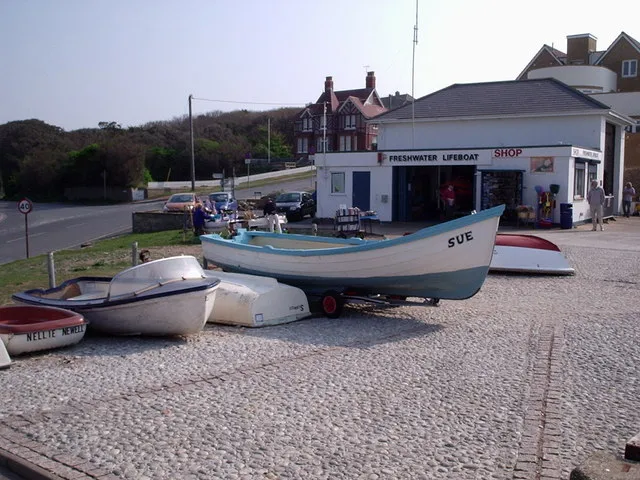
Photo: Alan Swain, CC BY-SA 2.0, via Wikimedia Commons
Your shop has two front doors in 2026. One is on the pavement, with a handle and a poster and maybe a slightly tired A-board. The other is the search result someone pulls up at the bus stop: your Google Business Profile, your Instagram bio, your Facebook page, your Threads profile. Both doors need to open onto the same shop.
That sounds obvious. It rarely stays true for long. Hours change for a bank holiday, an offer ends, a new member of staff posts a photo, and suddenly the version of your business on someone’s phone is a few degrees out of sync with the one on the high street. Nobody complains. They just hesitate, or assume you’re closed, or walk to the place whose details look tidier.
Two front doors, one story
Local search isn’t one channel any more. It’s a handful of small signals that nearby customers stitch together in seconds. Google tells them where you are and when you open. Instagram shows them what you sell and how you sound. Facebook is often where older locals check events and opening hours. Threads is where a growing number of independent businesses have a more conversational presence. None of these has to be identical, but they should agree on the basics.
A mismatch doesn’t have to be dramatic to cost you footfall. If your Google profile says 5pm and your Instagram bio says 5.30pm, someone with a twenty-minute bus ride will decide not to risk it. If your pinned post is still promoting a weekend offer that finished on Sunday, you’ve taught a customer that your feed isn’t quite current. If your Facebook page lists an old phone number, you’ve added friction to the one moment when someone was ready to ask a question.
Where the story drifts
The usual culprits are boringly familiar. Opening hours get updated in one place and forgotten in another. A bank holiday note goes up on the door but not on Google. A website link changes and the bio link on three platforms points at a 404. A location tag picks the wrong town, or the right town but the wrong branch. A photo of the shopfront stays on the profile long after the awning has changed colour.
Then there’s tone. A shop can be chatty on Instagram, practical on Facebook and quick-fire on Threads without losing its personality. But if one profile sounds like a person and another sounds like a leaflet from 2012, customers notice. The same goes for offers. A discount that exists only in a story highlight is not really an offer; it’s a rumour.
Staff can be the quietest source of drift. If someone behind the counter says “we close at four” while the Google profile says five, the customer believes the human. Then they wonder why the internet got it wrong. A two-minute brief at the start of a shift is worth more than a perfect content calendar nobody checks.
The ten-minute monthly audit
Set a timer. Use your phone, not a desktop, because that’s how most nearby customers will see you. Work through this once a month and fix only what you find. Perfection isn’t the aim; agreement is.
-
Search your business name plus the town in a private browser window. Look at what appears before you click anything: name, address, phone number, opening hours, star rating, latest photo. Does it look like the shop you’re standing in?
-
Open Google Business Profile and compare the core details with your website, Instagram bio, Facebook page and Threads profile. Check the name, address, phone number, opening hours and the main link. Note the first mismatch you see.
-
Look at the next bank holiday or local event. If your hours will change, update Google and add a short note on the platform you use most. Don’t rely on a story that will vanish in twenty-four hours.
-
Read the last three posts on each platform. Do they mention the same opening times, the same offer, the same address? Is the pinned post still true? If not, unpin it or replace it.
-
Check your photos. Is the newest image of the shopfront actually current? Does the window display match what someone would see today? A fresh photo once a month is enough; it doesn’t need to be a production.
-
Tap every website and social link from every profile. A dead link is a closed door with a sign saying “open”.
-
Check messages and unanswered questions. You don’t have to reply instantly, but the profile should say how you handle enquiries. “Message us and we’ll reply during opening hours” is a useful sentence.
-
Write down one fix and one date. Not five fixes. One. Then do it before the kettle boils.
The counter-side checklist
Put this where staff can see it, not in a folder. It’s the human version of the audit.
- Today’s hours match the door, Google and the bio.
- This week’s offer is the same everywhere, or it isn’t mentioned anywhere.
- If someone asks “are you open?”, the answer matches what the profile says.
- There’s a current photo of the window or shopfloor from the last month.
- One person owns replies on each platform, even if that person is “whoever is on the till”.
- Bank holiday changes go up seven days ahead, not on the morning.
- New customers get asked where they found you, and the answer gets logged.
Fix the small stuff first
You don’t need a rebrand to make local search work harder. You need the same opening hours in four places, a link that works, a pinned post that’s still true and a photo that looks like today. That’s the unglamorous core of it.
Your local story doesn’t have to be loud. It has to be consistent enough that someone at the bus stop trusts it. Two doors, one street, same shop. That’s the standard.