The Collection Window: Why the Handover Deserves Its Own Posting Rhythm
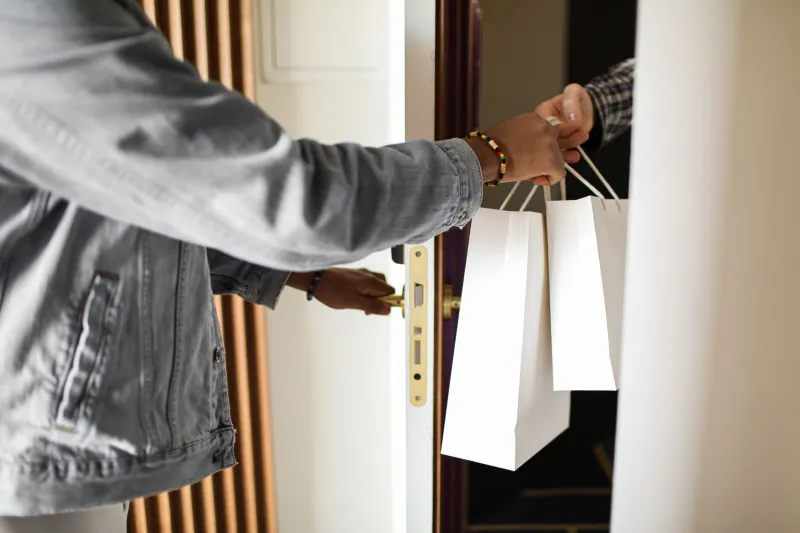
Most shops treat click-and-collect as admin. An order lands, someone prints a slip, the bag goes on a shelf, the customer collects it, everyone moves on. But look at what actually happened there: a person decided to buy from you, paid in advance, then made a special trip to your door. That is a warmer audience than anything an advert will buy you, and most of us photograph none of it.
The handover is the only part of your week that is scheduled, repeatable, visual and local. It happens at the same counter, at roughly the same hours, with the same small cast of staff. That is the definition of a content engine — if you give it a rhythm rather than treating it as dead time between customers.
Why the counter beats the carousel
A product shot says "here is a thing". A collection shot says "here is a shop, run by people, that you are already part of". The second one builds the habit of coming back. It also does quiet operational work: it trains customers to expect a collection window, it nudges people who have forgotten to pick up a bag, and it answers the same three direct messages you get every week without you typing them out again.
You do not need a videographer. A phone, decent window light and ten minutes once a week will do. What you need is a format, so that on a busy Thursday you are not inventing a post from scratch.
1. The packing bench, mid-shift
Photograph the work, not the product. Brown paper, the tape gun, a stack of order slips, a mug that has gone cold. The caption should be about the doing: what is going out today, how many, and any small oddity ("three orders this morning and all of them were birthday presents, which is either lovely or a conspiracy").
This is the easiest post in the set because it requires no styling and no customer. It also trains your audience to picture the shop as a working place, which is exactly the feeling you want attached to your name.
2. The ready shelf
Every collection point has one: the shelf, crate or hook where finished orders wait. Photograph it honestly, including the weeks when it holds three bags rather than thirty.
If you are going to do this one, be strict about labels. First name and initial, order number, or a coloured tag — nothing that identifies a person or their address. The appeal here is the small theatre of anticipation: a row of bags with names on, waiting for their people.
3. The window, same time each week
The third post has nothing to do with parcels. Take a photo from your collection point at the same time each week — the light through the front window, the street outside, the queue at the bus stop. Posted consistently, this becomes a recognisable frame your followers start to expect. It gives the collection content a sense of place, and it makes the shop feel like a location rather than a fulfilment centre.
Keep it dull. Dull is good. Dull is what a familiar high street actually looks like in November.
4. The handover line
Once a week, ask a collecting customer whether you can share a single sentence about their order. Not a review, not a testimonial — an anecdote.
"Someone collected a pair of boots today and asked us to keep the receipt out of the bag because it's a surprise."
"A regular picked up an order and left with a birthday card they hadn't planned on, which is the whole business model, frankly."
Ask at the counter, in the moment, and accept a no without pushing. Written permission by message is even better if the story includes anything remotely identifying. The line itself is short because the point is not the story, it is the evidence that real people come to your door.
5. The last mile, on foot
If you do local delivery, that is a second content stream for free: the bike, the trolley, the route past the church, the bag balanced on the step. Follow the same rule as the ready shelf — postcode level, never house level. "Two drops up the hill before the rain" is charming. A front door with a number on it is a complaint waiting to happen.
This post also does useful expectation-setting for anyone who has chosen delivery over collection because they assume it is faster. Show them the reality of your route and they will plan around it instead of chasing you.
6. The bag nobody claimed
Once a month, post a friendly nudge about uncollected orders. Not a naming-and-shaming exercise — a light reminder that bags sit for seven days before they go back on the shelf, and that the collection window is Tuesday to Saturday, 10 till 4.
This is the least glamorous post in the set and probably the most valuable. It cuts down on "is my order ready?" messages, it gently chases the forgotten ones, and it quietly restates your opening hours to everyone who scrolls past.
Consent, postcodes and the things that will bite you
A few hard rules before you start pointing a camera at the counter.
- No faces without a clear yes, and no photographing someone mid-payment because the light was nice.
- No order details in frame: names, addresses, phone numbers, card slips, delivery labels.
- No house numbers, no car registrations, no street-level delivery shots that could identify a customer.
- Keep a note of who agreed to what and when. If someone asks you to take a post down, take it down the same day without an argument.
None of this is onerous. It is the same care you would take with a customer's bag.
The four-week loop
Rotate the six so you are never deciding what to post on the day.
Week one: packing bench. Week two: ready shelf. Week three: the window. Week four: handover line. Slot the delivery shot in when you are actually out on the route, and the uncollected nudge in at the end of each month. Ten minutes a week, batched on a Tuesday morning, and you have a month of honest content that looks like your shop rather than a stock library.
What to count
Likes are the least interesting number here. Watch instead for saves and shares, direct messages asking about collection times, the volume of "is it ready yet" queries, and whether the same names keep turning up at the counter. If the messages drop and the repeat collections rise, the rhythm is working.
Small shops are not short of things to post. They are short of time and reasons. The collection window is a reason that shows up on its own, five days a week, carrying somebody who already said yes to you.