The Small Treat Economy: Five Posts for the First Weekend After Payday
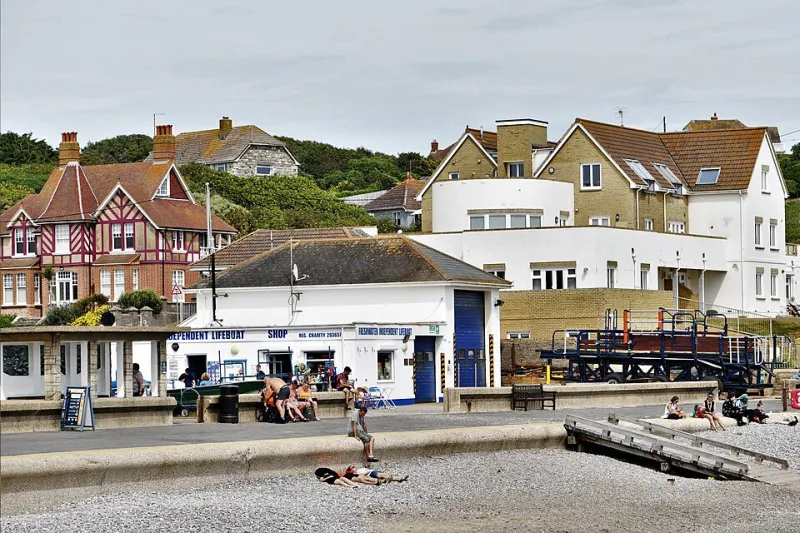
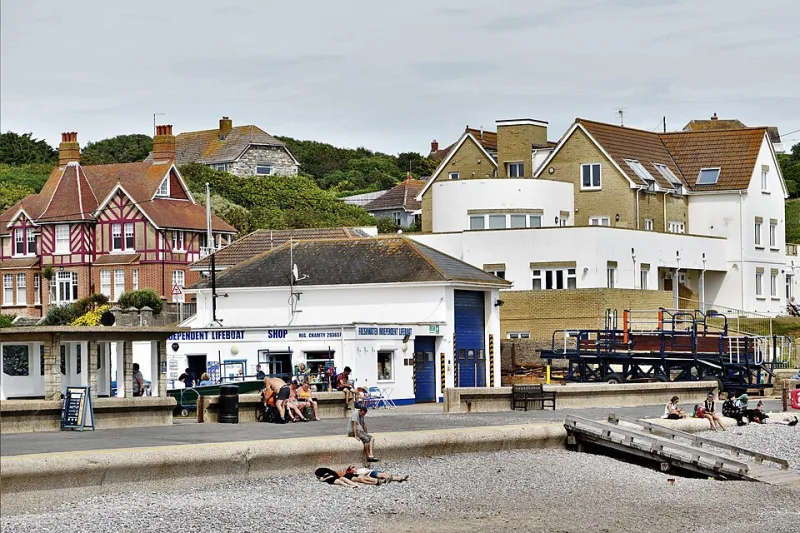
Photo: Michael Garlick , CC BY-SA 2.0, via Wikimedia Commons
There is a particular mood on the high street in the days after a quiet stretch. The wages land, the card reader starts to sing again, and every indie owner feels the same pull: do something. Cut a price. Post a code. Fill the window with red stickers. It is understandable, but it is rarely the best move.
Payday spending is not only about cheapness. For a lot of people it is about permission — the small, guilt-free treat after a few careful weeks. That is the space worth occupying. Not a sale, but a sensible, warm invitation to buy something nice without feeling managed. Here is a five-post sequence for the first payday weekend after a slow patch, written for UK independents who would rather build a habit than chase a spike.
Start on Thursday night, not Friday morning
Payday often lands on a Friday, or the last Friday of the month, or the 25th, depending on who signs the payslip. Either way, the planning happens the night before. Post between 6pm and 8pm on Thursday with a simple, low-volume image: a shelf you have just restocked, the coffee machine ready for the morning, three new things near the till.
The caption should sound like a person, not a countdown. Something like: 'We are open late tomorrow, the new candles are finally on the shelf, and the good biscuits are back in.' Add one practical line: card and contactless, obviously. Save the hard sell. The job of this post is to put your shop in someone's Friday plan while they are still on the sofa.
Friday: lead with a small treat, not a sale
This is the post people will screenshot. Choose three specific items at price points that feel like a treat rather than a commitment — under £10, under £15, under £20. Name them properly. 'The dark chocolate with the sea salt', 'the wool socks that keep selling out', 'the small candle in the green glass'. Avoid vague phrases like 'loads of offers in store'.
The framing matters. Do not say 'treat yourself' in a shouty way; show what a small treat actually looks like. 'If you have been walking past the same candle for three weeks, this is your sign.' That is human. It gives permission without pressure. Add a line that makes the terms clear: no code, no countdown, no minimum spend. People notice when they are not being tricked.
Saturday: build one bundle that solves a real evening
Bundles work best when they are not really bundles. They are just a helpful pairing. Think about the weekend your customer is actually having: a Friday night in, a slow Sunday, a friend coming over, a desk lunch that needs rescuing. Put two or three things together and give the grouping a plain name.
For a food shop, it might be 'the Friday night board' — cheese, crackers, something pickled, a good drink. For a homeware indie, 'the Sunday reset' — bath soak, tea, a notebook. For a gift shop, 'the small thank-you' — card, soap, chocolate. Show the bundle in one photo, list the contents and the total, and say clearly whether it is fixed or mix-and-match. Keep it to one or two bundles. A payday weekend does not need a catalogue.
Sunday: make opening hours the star
By Sunday, the payday rush has met real life: football, family visits, DIY, the tip run. The most useful post you can publish is also the least glamorous. Put your opening hours on a plain background or a clear photo of the door, and add the details people actually need: last entry, kitchen times, which entrance is open, where to park, whether the dog can come in.
Keep the caption short. 'We are open Sunday 11 to 4. Closed Monday, back Tuesday at 9. The new stock is on the back table if you are passing.' That is it. If you have sold out of the thing you posted on Friday, say so. The point of this post is not to create urgency; it is to remove friction. A clear opening-hours post does more for footfall than a vague 'come and see us' ever will.
Monday: close the loop with the community, not the receipt
Do not disappear on Monday. Post a gentle thank-you that is specific and modest. A photo of the shop at closing time, a line about what people bought, a mention of the local maker whose shelf sold down, or a note about the collection box by the till. If you have permission, thank a regular by name. If not, keep it general.
A soft question can work here, but keep it conversational: 'What small treat did you buy yourself this weekend?' or 'What should we restock first?' Avoid competitions that ask people to tag strangers. The aim is to close the payday window with a human note, not to squeeze one more conversion out of it. This is the post that makes the next payday weekend easier.
A note on pacing and tone
Five posts do not mean five posts in one day. Spread them from Thursday evening to Monday lunchtime, and use Stories for the real-time bits: the queue at the till, the last box of the good thing, the dog asleep by the door. Keep the captions shorter than feels natural. If you schedule them, stay around to reply. A payday weekend is a conversation, not a broadcast.
The small treat economy works because it respects a budget. It says: you do not need to spend a lot to mark the week, and we have made it easy to choose something good. That is a better long-term message than a discount code, and it sounds much more like a real shop on a real street.